Glow From the Inside Out: A 21-Day Anti-Inflammation Protocol for Skin That Actually Transforms
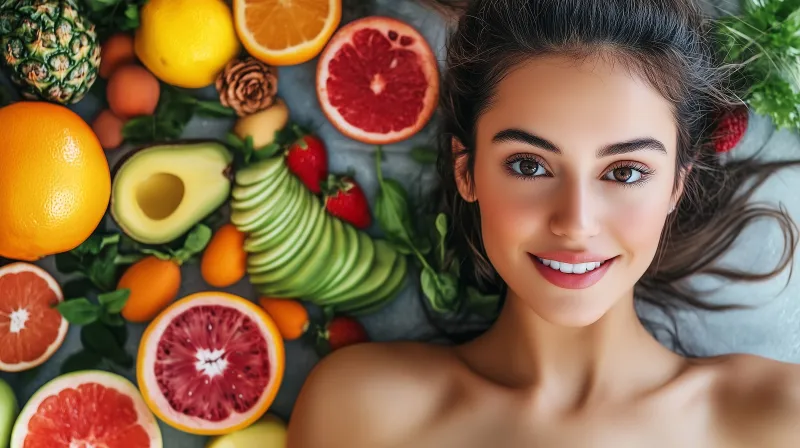
Photo: healthy woman glowing skin fresh vegetables fruits anti-inflammatory food wellness, via vitaminnica.com
Your Skin Is Telling You Something
Breakouts after stress. Puffiness after a rough night. That dull, tired complexion that no amount of highlighter seems to fix. Your skin isn't being dramatic — it's communicating. And what it's usually saying is: something inside is out of balance.
The skincare industry has spent decades convincing us that the solution lives in a bottle. And while a solid topical routine has its place, the truth that dermatologists and nutritional scientists have been quietly agreeing on for years is this: skin health is an inside job. Chronic, low-grade inflammation — driven by diet, stress, poor sleep, and gut imbalance — is one of the primary drivers of accelerated skin aging, persistent breakouts, redness, and loss of elasticity.
The good news? Inflammation is addressable. Reversible, even. And a focused, intentional reset can make a visible difference in as little as three weeks.
This is the Reset by Fuul 21-Day Skin Renewal Protocol — and it's not about adding more products to your bathroom shelf.
Understanding Inflammation: The Real Skin Ager
Inflammation isn't inherently bad. Acute inflammation is how your body heals a cut or fights off an infection. The problem is chronic inflammation — the kind that simmers quietly in your system, triggered by processed foods, high sugar intake, chronic stress, disrupted sleep, and an imbalanced gut microbiome.
At the cellular level, chronic inflammation accelerates the breakdown of collagen and elastin (the proteins responsible for firm, plump skin), impairs the skin barrier, and increases oxidative stress — essentially speeding up the clock on how your skin ages. It also contributes to conditions like acne, rosacea, eczema, and hyperpigmentation.
The fix isn't a single supplement or a miracle cream. It's a systems-level reset. Here's how to do it.
Phase 1: Cleanse the Foundation (Days 1–7)
Overhaul Your Plate
The fastest way to reduce systemic inflammation is through food. During the first seven days, focus on eliminating the biggest inflammatory triggers from your diet:
- Cut refined sugar and high-fructose corn syrup. Sugar triggers a process called glycation, which directly damages collagen fibers. Even reducing — not eliminating — added sugar can produce visible skin changes within weeks.
- Ditch refined carbohydrates. White bread, pasta, and processed snack foods spike blood sugar rapidly, which drives inflammation through the same glycation pathway.
- Reduce alcohol. Alcohol is dehydrating, disrupts sleep architecture, and depletes key skin nutrients like zinc and vitamin A.
- Eliminate ultra-processed seed oils. Oils high in omega-6 fatty acids (soybean, corn, sunflower) promote an inflammatory environment when consumed in excess. Swap them for extra-virgin olive oil, avocado oil, or grass-fed butter.
Load Up on Anti-Inflammatory Stars
This isn't a deprivation protocol — it's a swap protocol. Fill the space left by inflammatory foods with these skin-supporting powerhouses:
- Fatty fish (salmon, sardines, mackerel): Rich in omega-3 fatty acids, which actively dampen inflammatory pathways and support the skin's lipid barrier.
- Dark leafy greens (spinach, kale, arugula): Packed with antioxidants that neutralize free radicals before they damage skin cells.
- Berries: Blueberries, strawberries, and raspberries are loaded with anthocyanins — plant compounds that protect collagen from oxidative breakdown.
- Turmeric and ginger: Both contain potent anti-inflammatory compounds (curcumin and gingerol, respectively). Add them to smoothies, soups, or golden milk.
- Bone broth: A bioavailable source of collagen peptides, glycine, and gut-healing compounds that support both the intestinal lining and skin integrity.
Hydration: More Than Just Water
Proper hydration is foundational for skin cell turnover and barrier function, but most Americans are chronically under-hydrated. Aim for at least half your body weight in ounces of water daily. Add electrolytes (sodium, potassium, magnesium) through foods like avocado, coconut water, and leafy greens to ensure your cells actually absorb what you're drinking.
Herbal teas — particularly green tea, chamomile, and rooibos — offer additional anti-inflammatory and antioxidant benefits alongside their hydration contribution.
Phase 2: Renew the Systems (Days 8–14)
Heal Your Gut, Heal Your Skin
The gut-skin axis is one of the most compelling areas of emerging research in dermatology. Your gut microbiome plays a direct role in regulating systemic inflammation, and an imbalanced microbiome (dysbiosis) has been linked to acne, rosacea, and accelerated skin aging.
During week two, prioritize gut repair:
- Add fermented foods daily: Yogurt (plain, full-fat), kefir, kimchi, sauerkraut, and kombucha introduce beneficial bacteria that help restore microbial balance.
- Increase prebiotic fiber: Foods like garlic, onions, leeks, asparagus, and green bananas feed beneficial bacteria and help them thrive.
- Consider a high-quality probiotic supplement: Look for one with multiple strains and at least 10 billion CFUs. Lactobacillus rhamnosus and Bifidobacterium longum have the most research backing for skin-related outcomes.
- Minimize antibiotic overuse and unnecessary NSAIDs: Both disrupt gut microbiome balance significantly.
Optimize Your Sleep Architecture
Skin repair happens almost entirely during sleep — specifically during deep, slow-wave sleep cycles when growth hormone is released and cellular regeneration peaks. Chronic sleep deprivation elevates cortisol, which breaks down collagen and increases inflammatory markers.
For this phase, implement these sleep hygiene upgrades:
- Set a consistent bedtime and wake time (yes, on weekends too).
- Keep your bedroom cool — around 65–68°F is optimal for deep sleep.
- Avoid screens for at least 60 minutes before bed.
- Try magnesium glycinate before sleep — it supports relaxation and has mild anti-inflammatory properties.
Phase 3: Transform From Within (Days 15–21)
Manage Stress Like It's a Skincare Step
Because it is. Chronic psychological stress elevates cortisol, which triggers inflammatory cascades throughout the body, breaks down skin's structural proteins, and impairs the skin barrier's ability to retain moisture and repel irritants.
During the final week, build at least one daily stress-management practice into your routine:
- 10 minutes of breathwork or meditation: Apps like Calm or Insight Timer make this accessible even for skeptics.
- Daily movement: You don't need an intense workout. A 30-minute walk lowers cortisol and boosts circulation, delivering oxygen and nutrients to skin cells.
- Journaling: Processing stress through writing reduces rumination and has been shown to lower inflammatory markers in research studies.
Targeted Nutritional Support
In addition to whole foods, a few specific nutrients have strong evidence for skin health:
- Vitamin C: Essential for collagen synthesis. Get it from bell peppers, citrus, strawberries, and kiwi — or supplement with 500–1000mg daily.
- Zinc: Regulates oil production and has anti-inflammatory properties. Found in pumpkin seeds, oysters, and legumes.
- Vitamin E: A fat-soluble antioxidant that protects skin cell membranes. Almonds, sunflower seeds, and avocado are excellent sources.
- Collagen peptides: While topical collagen can't penetrate the skin, hydrolyzed collagen supplements have shown promising results in clinical trials for improving skin elasticity and hydration.
What to Expect at Day 21
By the end of three weeks, most people following this protocol report noticeably clearer skin, reduced puffiness, more even tone, and a natural luminosity that's hard to achieve with makeup alone. Some people see dramatic results. Others see subtle but meaningful shifts — skin that feels more resilient, less reactive, more like their skin again.
The deeper win, though, is systemic. The habits you've built over these 21 days — eating more anti-inflammatory foods, hydrating intentionally, sleeping better, managing stress — don't just benefit your skin. They recalibrate your entire internal environment.
That's what a real reset looks like. Not a peel, not a filter, not a new product. A genuine renewal from the inside out — which is exactly what Reset by Fuul is all about.