Breathe It Out: Why Your Lungs Are the Most Underrated Detox Tool You Already Own
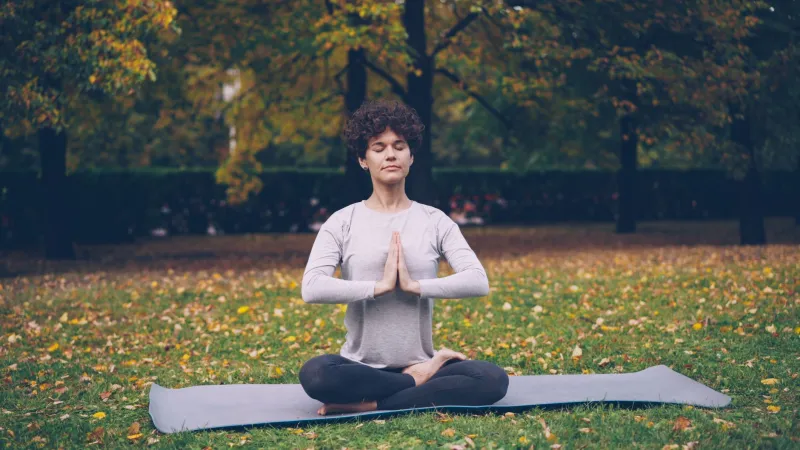
We spend a lot of time obsessing over what we eat, what we drink, and which supplements are going to finally move the needle on how we feel. But there's one detox mechanism working 24/7, completely free of charge, that almost nobody talks about: breathing.
Not just breathing to stay alive. Breathing well — with intention, depth, and rhythm — turns out to be one of the most direct routes to cellular cleansing your body has. And most of us are doing it wrong.
Your Exhale Is a Waste Removal System
Here's something that might shift your perspective: roughly 70% of the metabolic waste your body produces is eliminated through your breath. The rest exits through sweat, urine, and stool. So while you're focused on fiber intake and liver support, your respiratory system is quietly handling the lion's share of the job.
When your cells burn fuel for energy, they produce carbon dioxide as a byproduct. That CO2 has to go somewhere, and it leaves through your lungs every single time you exhale. But CO2 isn't the only thing hitching a ride out. Volatile organic compounds (VOCs) — including acetone, ethanol, and various metabolic byproducts — also exit via the breath. In fact, researchers studying breath biomarkers have found hundreds of these compounds in a single exhale, many of them direct indicators of what's happening inside your cells.
The problem? Shallow, chest-based breathing — which is how most Americans breathe most of the time — doesn't fully exchange the air in your lungs. You end up recycling stale air in the lower lobes, reducing your body's ability to offload waste efficiently.
What Shallow Breathing Actually Does to Your Reset
Think of your lungs like a two-story house. Most people only clean the upstairs. The lower lobes — where gas exchange is actually most efficient due to greater blood flow — get neglected when you breathe from your chest instead of your diaphragm.
This matters beyond just detox. Shallow breathing activates your sympathetic nervous system (the "fight or flight" branch), keeping your body in a low-grade stress state. Cortisol stays elevated. Digestion slows. Inflammation lingers. Every system that's supposed to support your reset gets suppressed.
Deep, diaphragmatic breathing does the opposite. It flips the switch to your parasympathetic nervous system — the "rest and digest" mode — which is exactly the state your body needs to repair, eliminate, and renew.
Three Breathing Techniques Worth Adding to Your Reset Protocol
You don't need a retreat or a $200 breathwork class to start using your lungs as a detox tool. These three techniques are grounded in solid research and easy to build into your existing routine.
Box Breathing (4-4-4-4) Inhale for four counts, hold for four, exhale for four, hold for four. Repeat for five to ten minutes. Originally developed for military stress management, box breathing has been shown to lower cortisol, reduce anxiety, and regulate heart rate variability — all of which support your body's ability to detox efficiently. It's a great morning reset before you reach for your phone.
Extended Exhale Breathing (4-7-8) Inhale for four counts, hold for seven, exhale slowly for eight. The extended exhale activates the vagus nerve and drives a strong parasympathetic response. Studies suggest this pattern can lower blood pressure and reduce inflammatory markers over time. Do it before bed to help your body shift into repair mode overnight.
Diaphragmatic Breathing (Belly Breathing) Lie flat or sit upright. Place one hand on your chest, one on your belly. Breathe so that only the lower hand rises. This sounds simple, but for habitual chest breathers it takes real practice. Doing ten minutes of diaphragmatic breathing daily has been shown to increase oxygen saturation, reduce oxidative stress markers, and improve lymphatic flow — all directly relevant to your detox capacity.
The Air Quality Factor Nobody Mentions
Here's a layer most breathwork conversations skip entirely: the quality of the air you're breathing in matters just as much as how you're breathing it.
The EPA consistently reports that indoor air can be two to five times more polluted than outdoor air. Dust, mold spores, VOCs from cleaning products and synthetic materials, and off-gassing from furniture all accumulate in enclosed spaces. If you're doing your morning breathwork in a poorly ventilated room, you're working against yourself.
A few practical fixes: open windows for at least ten minutes daily, add air-purifying plants like snake plants or pothos, invest in a HEPA air purifier for your bedroom, and swap synthetic air fresheners for essential oil diffusers or simply fresh air. Your lungs will have a lot more to work with.
Making Breath Part of Your Reset, Not an Afterthought
The most powerful thing about using your breath for detox is that it's always available. You can't forget it at home. You don't need to order it online. It doesn't require a prep week.
Start small: five minutes of belly breathing in the morning and the 4-7-8 technique before sleep. Within two weeks, most people notice improved energy, clearer thinking, and a calmer baseline — which are all signs that your nervous system is recalibrating and your body is getting better at its own internal reset.
Your lungs have been waiting for you to pay attention. It's time to breathe like you mean it.