What's Really Inside That Supplement Bottle (And Why the Label Won't Tell You)
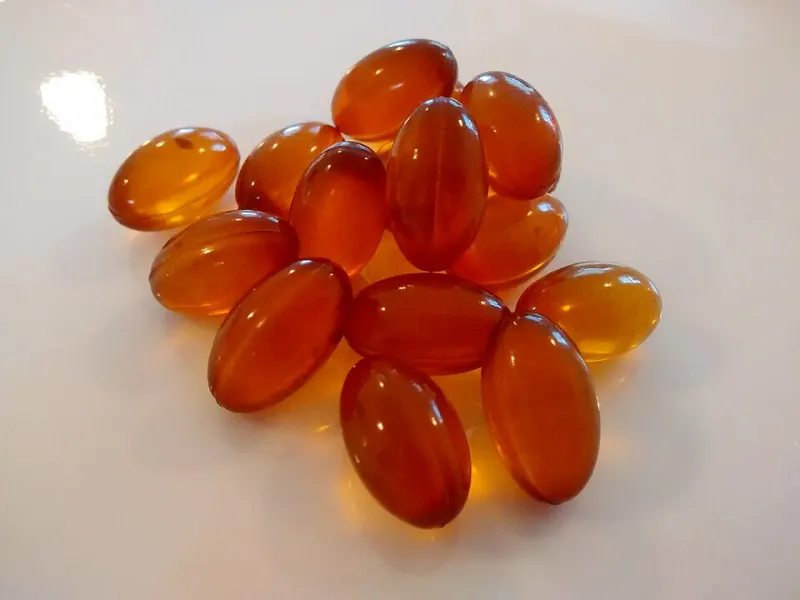
Photo: Mx. Granger, CC0, via Wikimedia Commons
There's a quiet assumption most of us make when we reach for a supplement: if it's on the shelf at a health food store, or stamped with words like pure, premium, or whole food-based, it must be doing something good. That assumption is costing you money — and in some cases, quietly stalling your wellness progress.
The supplement industry in the United States is largely self-regulated. Unlike pharmaceuticals, dietary supplements don't need FDA approval before they hit shelves. That means a company can craft a label that sounds clean while filling the capsule with ingredients that have nothing to do with your health goals — and everything to do with their manufacturing budget.
The Filler Problem Nobody Wants to Talk About
Open up a random supplement capsule and you might be surprised by how little of what's inside is actually the active ingredient you paid for. The rest? That's the world of excipients — the binders, fillers, flow agents, and coatings that make manufacturing easier and cheaper.
Some common offenders you'll find hiding in plain sight on ingredient labels:
- Magnesium stearate — a flow agent used to keep powder from sticking to machinery. Harmless in tiny amounts for most people, but in higher concentrations it may interfere with nutrient absorption. The irony of it showing up in a supplement meant to boost absorption isn't lost on us.
- Silicon dioxide — another anti-caking agent. Again, generally recognized as safe, but worth questioning in a product marketing itself as "clean."
- Titanium dioxide — a whitening agent that has raised enough concern in the European Union that it's been banned as a food additive there. Still legal in US supplements.
- Artificial colors and coatings — used to make tablets look more appealing. Entirely cosmetic, entirely unnecessary.
- Maltodextrin — a cheap filler derived from corn (often GMO corn) that acts as a carrier for powdered supplements. It has a high glycemic index, which is a fun surprise if you're taking a blood sugar support formula.
None of these will show up under a bold "WARNING" label. They're buried at the bottom of the ingredient list under "Other Ingredients," a section most people skip entirely.
Sourcing: The Part of the Story That's Almost Never Told
Even when the active ingredients themselves are legitimate, where they come from matters enormously. A turmeric supplement sounds great — until you learn the curcumin was sourced from a region with loose agricultural regulations, tested for heavy metals once (maybe), and then shipped across the world in conditions that degrade potency.
Heavy metal contamination is a real and documented issue in the supplement world. Lead, arsenic, mercury, and cadmium have all been found in products ranging from protein powders to herbal blends — often at levels that exceed what's considered safe for daily consumption. The brands most likely to have contamination issues? Not always the budget ones. Some mid-range and even premium-positioned brands have failed third-party testing.
This is where third-party certification earns its keep. Look for seals from organizations like NSF International, USP (United States Pharmacopeia), or Informed Sport. These aren't marketing badges — they represent actual independent testing for purity, potency, and contaminant levels. If a brand can't point to one of these, that's information worth sitting with.
Bioavailability: Because Taking It and Absorbing It Are Two Different Things
Here's another layer most supplement marketing conveniently glosses over: the form of a nutrient determines how much of it your body can actually use.
Take magnesium. It's one of the most widely supplemented minerals in the country, and for good reason — a huge portion of Americans are deficient. But magnesium oxide, the cheapest and most common form, has an absorption rate of around 4%. You're essentially paying for something your body can barely process. Magnesium glycinate or malate? Significantly higher bioavailability, noticeably different results.
Same story with B12. Cyanocobalamin is the cheap synthetic version. Methylcobalamin is the active form your body can use immediately, especially important for people with MTHFR gene variants that affect methylation. The difference in cost to the manufacturer is minimal. The difference in outcome for you is not.
When you're evaluating a supplement, the ingredient name itself is only half the equation. The form of that ingredient tells you what a company actually prioritizes.
How to Read a Label Like You Mean It
You don't need a biochemistry degree to make smarter supplement choices. Here's a practical approach:
Start at the bottom. Flip to "Other Ingredients" first. If you see a long list of unrecognizable additives, colorings, or anything with "dioxide" in the name, that's a flag.
Research the form, not just the ingredient. Google the specific form listed — is it the cheap version or the bioavailable one? This single step will change how you shop.
Look for third-party verification. NSF, USP, or Informed Sport seals mean someone outside the company has checked the product. No seal doesn't automatically mean the product is bad, but it means you're taking the company's word for it.
Be skeptical of proprietary blends. When a label lists a "proprietary blend" with a total milligram amount but no individual breakdown, the company is legally allowed to hide how much of each ingredient is actually present. This is sometimes used to include just enough of a trendy ingredient to put it on the label without including a meaningful dose.
Check for allergen crossover. Many supplements are manufactured in facilities that also process gluten, soy, dairy, and tree nuts. If you're taking a supplement specifically to reduce inflammation or support gut healing, cross-contamination can quietly undercut your progress.
The Reset Approach to Supplementation
A true reset isn't about stacking your cabinet with every trending capsule. It's about being selective, intentional, and informed. Your body has sophisticated systems designed to process, absorb, and utilize nutrients — but those systems can't do their job if they're also managing a steady stream of synthetic additives and poorly absorbed compounds.
If your current supplement routine isn't moving the needle, the problem might not be your effort or your diet. It might be sitting right there in the bottle.
Take stock of what you're actually taking, trace the sourcing if you can, check for third-party certification, and question anything that lists more additives than active ingredients. Your reset deserves better than expensive filler.


