Your Home Might Be Undoing Every Wellness Habit You Have
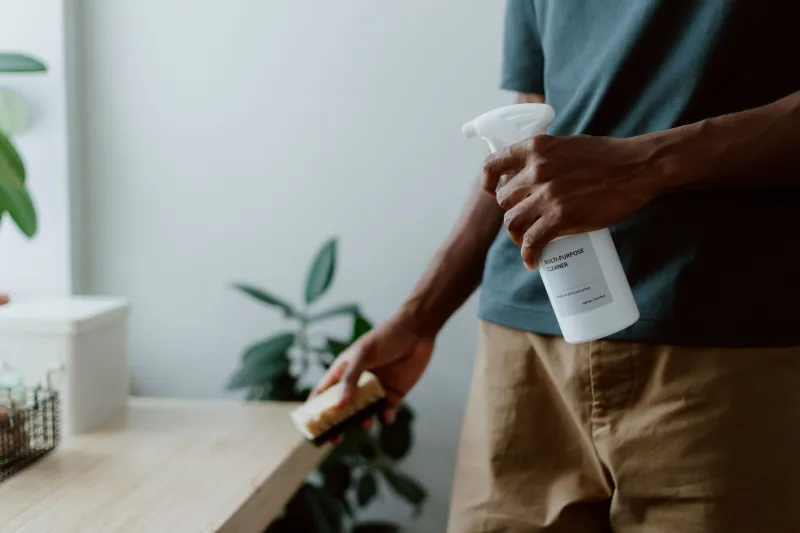
Let's say you've done everything right. You've cleaned up your diet, cut out alcohol, started moving your body, and committed to a real detox protocol. And yet — something still feels stuck. Your skin isn't clearing. Your energy is inconsistent. You're waking up tired even after eight hours of sleep.
Before you add another supplement or overhaul your meal plan, it might be time to look around you. Literally.
The air inside the average American home contains a cocktail of chemical compounds that most of us never think about. According to the EPA, indoor air can be two to five times more polluted than outdoor air — and in some cases, significantly worse. We seal our homes for energy efficiency, fill them with synthetic materials, and use chemical-laden products every day without a second thought. Then we wonder why our bodies feel like they're working against us.
Here's the uncomfortable reality: if you're not addressing environmental toxin exposure, you're only doing half the work of a real reset.
Why Indoor Toxins Are a Detox Problem
Your body is remarkably good at processing and eliminating toxins — but it has limits. The liver, kidneys, lymphatic system, and skin are all built to handle a certain load. When that load gets too high, the system gets backed up. Toxins that should be eliminated get stored in fat tissue, disrupt hormone signaling, generate inflammation, and interfere with cellular function.
This is called toxic burden — the cumulative effect of ongoing exposure to low-level compounds that, individually, might seem harmless but collectively overwhelm your body's detox capacity.
When you do a cleanse or reset protocol without reducing your incoming toxin load, you're asking your body to drain a swimming pool with a teaspoon. Addressing your home environment isn't optional — it's the foundation that makes everything else you're doing actually work.
Room-by-Room: Where the Biggest Offenders Hide
The Kitchen
Your kitchen is ground zero for two major toxin categories: plastics and non-stick coatings.
Plastic food containers, especially when heated, can leach BPA and phthalates into your food. These are endocrine disruptors — compounds that mimic or block hormones in your body, interfering with everything from metabolism to reproductive health. Even "BPA-free" plastics often contain BPS or BPF, which research suggests may be equally problematic.
The swap here is straightforward: glass, stainless steel, or ceramic for food storage and cooking. It doesn't have to happen all at once — start by replacing your most-used plastic containers and never heat food in plastic again.
Non-stick cookware coated with PTFE (commonly known as Teflon) releases perfluoroalkyl substances (PFAS) when overheated. PFAS are sometimes called "forever chemicals" because they accumulate in the body and environment and are extremely slow to break down. Cast iron, stainless steel, or ceramic-coated cookware are all solid alternatives.
Also worth checking: your dish soap, hand soap, and kitchen cleaning sprays. Many contain synthetic fragrances (a legal catch-all term that can include hundreds of undisclosed chemicals), triclosan, and other compounds linked to hormone disruption and skin sensitization.
The Bathroom
Personal care products are one of the most underestimated sources of daily chemical exposure. The average American uses 9 to 15 personal care products per day — shampoo, conditioner, body wash, lotion, deodorant, makeup, perfume. Each product may contain anywhere from a handful to dozens of synthetic ingredients.
Your skin isn't a perfect barrier. It absorbs a meaningful percentage of what you put on it, particularly lipophilic (fat-soluble) compounds, which go directly into your bloodstream without being processed by your digestive system first.
Parabens, phthalates, synthetic musks, and formaldehyde-releasing preservatives are among the most common offenders in conventional personal care products. The Environmental Working Group's Skin Deep database (ewg.org) is a free resource that lets you check the safety profile of specific products and find cleaner alternatives.
You don't have to replace everything overnight. Start with products that stay on your skin the longest — like lotion, deodorant, and makeup — since those have the highest absorption potential.
The Living Room and Bedroom
This is where off-gassing becomes a real conversation.
Many sofas, mattresses, carpets, and upholstered furniture sold in the US — particularly anything manufactured before 2014 — contain flame retardant chemicals (PBDEs and related compounds). These compounds are persistent, bioaccumulative, and have been associated with thyroid disruption, neurodevelopmental effects, and increased cancer risk.
If your furniture is older and showing wear, the flame retardants in the foam can become airborne as the material breaks down, settling into household dust. Regularly vacuuming with a HEPA filter vacuum and damp-mopping hard floors reduces the dust load significantly. When it's time to replace furniture, look for products certified GREENGUARD Gold or made with certified organic wool or cotton fill, which meets flammability standards without chemical additives.
New furniture, flooring, and cabinetry also off-gas volatile organic compounds (VOCs) — particularly formaldehyde — from adhesives, finishes, and composite wood materials. If you've recently renovated or moved into a newly built home and feel consistently unwell, this is worth investigating. Maximize ventilation, bring in houseplants (snake plants, pothos, and peace lilies have documented air-filtering properties), and consider a high-quality HEPA air purifier for your bedroom.
The Laundry Room
Conventional laundry detergents and dryer sheets are some of the most heavily fragranced products in the average home. The synthetic fragrance compounds they deposit on your clothes and bedding sit against your skin for hours, creating ongoing dermal exposure.
Switching to fragrance-free, plant-based detergents is one of the easiest and most impactful swaps you can make. Wool dryer balls replace dryer sheets entirely, and a few drops of essential oil on the balls can add light scent without synthetic fragrance chemicals.
Hidden Culprit: Mold
No home toxin conversation is complete without addressing mold. Toxic mold — particularly Stachybotrys (black mold) and Aspergillus species — produces mycotoxins that can profoundly affect respiratory health, immune function, cognitive performance, and energy levels.
Mold thrives in moisture-prone areas: under sinks, in bathroom grout, behind walls near plumbing, in basements, and around HVAC systems. If you live in a humid climate, have had water damage, or notice a persistent musty smell, mold testing is worth pursuing. Home test kits are available, though professional inspection is more reliable for hidden growth.
Fixing the moisture source is always step one. No amount of cleaning will permanently resolve mold if the underlying humidity issue isn't addressed.
The Multiplier Effect
Here's the part that often surprises people: reducing your environmental toxin load doesn't just make you feel a little better. It dramatically multiplies the effectiveness of everything else you're doing for your health.
When your liver isn't constantly processing a stream of incoming chemicals, it has more capacity to handle metabolic waste, process hormones efficiently, and support the kind of deep cellular cleanup that a real reset requires. When your skin isn't absorbing endocrine disruptors daily, your hormonal signaling becomes cleaner. When you're sleeping in a room with lower VOC levels and cleaner air, your body can actually do the repair work that happens during sleep.
You don't have to go full minimalist or spend a fortune on replacements. The goal is a gradual, strategic reduction in your daily toxin load — starting with the highest-impact swaps and working outward from there.
Your home should be the place that supports your reset, not the thing quietly undoing it.